
Your gastric sleeve surgery helps people shed excess pounds by limiting the amount of food that can be taken into the stomach by reducing the size of the stomach. Making sure you take in adequate amount of nutrients, especially protein, after gastric sleeve surgery will help keep you from losing lean muscle mass during rapid weight loss. Consuming at minimum 60 to 80 grams of protein every day will be a goal for the rest of your life. Eating eight ounces of protein equivalents -- meat, fish, poultry, eggs, dairy and meat substitutes will be the best solution to meet these higher protein goals.
How To Choose Your Meat After Gastric Sleeve Surgery
Beef, pork and lamb pack a lot of nutrition into small portions. Many patients find red meat one of the harder things to tolerate in the first months, though — introduce it later than poultry or fish. On average a three ounce serving of meat has about 21 grams of protein making in a tiny powerhouse of protein in a relatively small serving size. Make sure to prepare them by grilling or roasting for their best flavor and for the lowest possible fat content. Fish, turkey and chicken are also good choices but are not as high in protein but offer good variety for a main dish.
Beans
Beans are protein rich food that are a meatless option. A cup of cooked beans runs around 15 grams of protein, depending on the variety. Add red beans to your chili or black bean spread to your sandwich wrap. Other bean based protein sources include nut butters (peanut, almond, cashew), soft and hard tofu, and vegetarian meat substitutes like soy burgers. Make sure you ease into eating beans as they are high also in fiber but can also cause gas and bloating making your stomach and digestive tract uncomfortable.
Eggs are Excellent After Gastric Sleeve Surgery
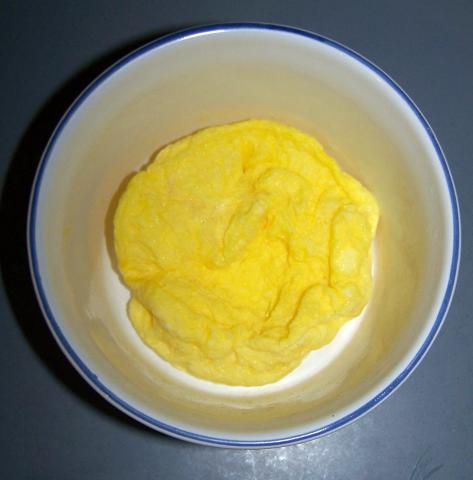
When we talk high protein, eggs are a superfood. One serving equals one egg, two egg whites or one quarter cup of egg substitute. Cook eggs without added calories by using nonstick spray. Make an omelet of whole eggs, egg substitute or egg whites topped with cheese, veggies or meat for added flavor and nutrients.
Milk Products
Dairy goods are high in both protein and calcium. One cup of skim milk provides around 8 grams of protein. Regular nonfat yogurt is similar — but a cup of nonfat Greek yogurt runs 15 to 20 grams, which makes it one of the most efficient options you have. Try to eat reduced or non-fat options to avoid excess calories. Cheese is also a great way to inject extra protein and add flavor to a lot of different meals.