Calorie Intake After Gastric Sleeve Surgery

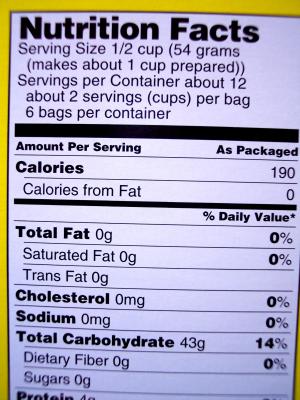
Gastric sleeve surgery removes roughly 75–80% of the stomach, leaving a narrow tube. The result is that a much smaller volume of food makes you full, and — because the removed portion produces most of the body's ghrelin — you feel considerably less hunger, at least at first.

Both of those change how many calories you take in. What follows is what that usually looks like, and why the numbers move over the first year.
Exercise After Gastric Sleeve Surgery

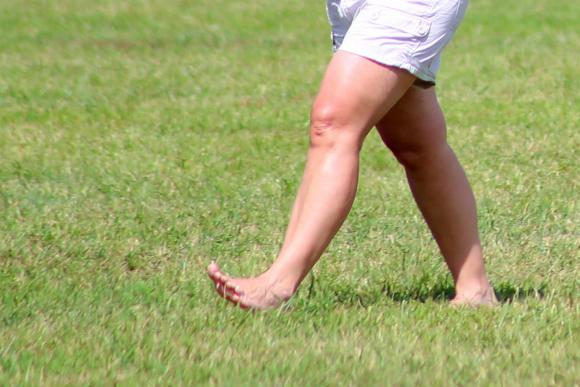
By reducing the size of your stomach, bariatric surgery looks to reduce the amount of calories you will consume before feeling full. Because the surgery is a permanent change, it needs to be a lifestyle decision to lead a healthy existence. For many years, patients have been choosing between the common options like lap-band and gastric bypass. The gastric sleeve is now the most commonly performed bariatric procedure of all.

Eating Out On A Gastric Bypass Diet

By reducing the size of the stomach and allowing for less calories, gastric bypass surgery is an efficient way of losing weight. After the surgery, key decisions need to be made regarding this new lifestyle and this includes diet and exercise. For the weight to stay off, high-protein foods are important and a balanced diet is a must. Therefore, there is a certain panic when someone suggests eating at a restaurant.  Below are some suggestions of how to handle eating out when on a gastric bypass diet.

Bariatric Vitamins

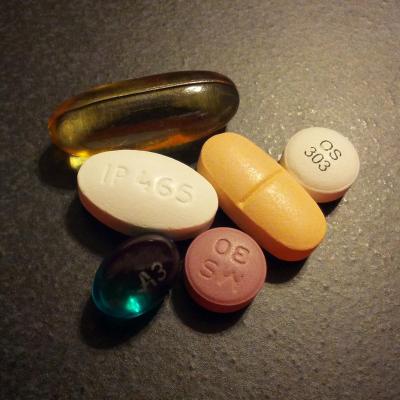
After gastric sleeve surgery you will need to get the best possible nutrition for your metabolism and health.  While eating less will help you to lose weight, you will be getting less nutrients in your diet. To help make sure you have optimal nutrition, your doctor will recommend taking certain bariatric vitamins.

Foods You Cannot Eat After Gastric Sleeve Surgery

After gastric sleeve surgery you will be limited on what you can eat immediately after surgery.  You stomach needs to heal from the procedure thus some foods will be off the table or limited for at least a few weeks to a few months.  Also your stomach might now react differently than it did prior to surgery to certain foods.  Below is a list of some foods that you will need to ease back into or take off the menu almost completely.

Weight loss after gastric sleeve

When looking into gastric sleeve surgery or maybe you have already had the procedure, the main important question that people ask relates to how much should be lost each month. In truth, there is no definitive answer to how much weight loss after the gastric sleeve and so results cannot be promised from one person to the next. Of course, your doctor will estimate weight loss as a total figure but this is dependent on a number of variables. Furthermore, you will lose more weight in month one than you will as you move closer to your target weight.

Build Muscle After Gastric Sleeve Surgery

Here is the thing nobody warns you about before surgery: not all of the weight you lose is fat.

When weight comes off fast, some of it is lean tissue — muscle. That happens after sleeve gastrectomy, it happens on GLP-1 medications, and it happens on any aggressive diet. It is the normal response to a large, sustained calorie deficit.

Connection Between Bariatric Surgery, Metabolism and Weight Loss

By altering the digestive system, bariatric surgery looks to limit the intake of calories. Once a patient has had the surgery, they can typically digest less food which causes weight loss. Often, this procedure is used to save the lives of the obese and can lead to remission of type 2 diabetes for many patients. As we all know, the weight loss coming as a result of gastric sleeve surgery will have an effect on metabolism but it can also change in other ways, thus we need to look at the connection between bariatric surgery, metabolism and weight loss.

Bariatric Liquid Diet After Surgery

Having nothing to eat for two weeks doesn’t really sound like a great plan to many people but after bariatric surgery that is exactly what you have to do with a bariatric liquid diet to give your stomach time to heal before you start eating real food again.  

Protein Foods to Eat After Gastric Sleeve Surgey

Your gastric sleeve surgery helps people shed excess pounds by limiting the amount of food that can be taken into the stomach by reducing the size of the stomach.  Making sure you take in adequate amount of nutrients, especially protein, will help keep you from losing lean muscle mass during rapid weight loss. 

Weeks 3 and 4 After Gastric Sleeve Surgery

After the getting through the first two weeks after gastric sleeve surgery, your stomach has now begun starting to adjust to its new form and functions. During weeks 3 and 4 your body is starting its weight-loss transformation and coming into line with the new calorie limitations and once again having food in the diet rather than just liquids.  Here are the 4 things to know about weeks 3 & 4 after bariatric surgery to ensure you stay on course with your weightloss goals.

Sleeve Gastrectomy What To Expect

The first week after a sleeve gastrectomy is the hardest stretch of the whole recovery. Knowing what's coming makes it considerably easier, because most of what happens is normal and temporary — it just doesn't feel that way at the time.

Here are the four things almost everyone runs into.

1. Pain

The gastric sleeve is minimally invasive, but it is still major surgery. Expect moderate pain and expect to need a couple of weeks before you feel like yourself.

4 Diet Stages After Gastric Sleeve Surgery

After bariatric surgery your life for the next few weeks is going to be focused on your body adjusting to your new stomach and gently working it back toward normal food.  Making sure you stomach heals is the most important thing that needs to happen during this period so you should know what to expect and the guidelines that will need to be followed including following the 4 diet stages after your gastric sleeve surgery.

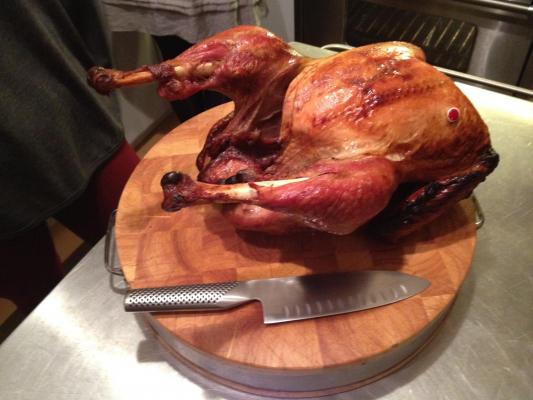
Turkey For Bariatric Protein

After gastric sleeve surgery one of the most difficult things to accomplish is consuming the daily recommended levels of protein into your diet. Most doctors want bariatric patients to get a minimum of 60 -80 grams of protein a day after surgery.  

As your body adjust to less calories and turns to utilizing fat for energy, your body will also naturally break down some muscle tissue for energy purposes as well.  The consistent, high level of bariatric protein intake will help your body maintain muscle mass and aid in repairing muscle that is broken down for energy usage.

Gastric Sleeve Pouch Reset

If the scale has started moving the wrong way after your sleeve, you have probably found the "pouch reset" — a five-day return to liquids and then soft foods, sold as a way to shrink your stomach back down.

Here is the honest answer: the reset does not shrink your stomach, because that is not what went wrong. What it can do is interrupt habits, and that is worth something — just not what it's usually advertised as.

Gastric Sleeve Pre Op Diet

Most gastric sleeve programs put patients on a pre-op diet in the weeks before surgery. If you have a date booked, your surgical team will give you their own written plan. Follow theirs, not this page. What follows is a description of what these diets usually involve, so you know what is coming and why.

Why programs use a pre-op diet

Two reasons, and both are about making the operation safer.

Subscribe to Bariatric Diet Blog